
Turbo problems and what they usually mean
Most turbo problems show up as lost power, a new noise or a fault code for too much or too little boost. Plenty turn out to be a split hose or sticking actuator instead of a failed turbo, which is good news for the bill.

The short answer
A turbo fault means the engine isn't getting the boost pressure the ECU has asked for, or it's getting too much. The ECU usually responds by cutting power, so the car feels flat or drops into limp mode.
Gentle use for a short distance is normally fine with an underboost fault. Stop straight away if you hear grinding or a loud siren-like whine, see heavy blue smoke, or the oil light comes on, as a turbo that's breaking up can damage the engine.
Turbo failure symptoms
These are the signs that point towards the turbo or the boost system around it.
- Power fading in the mid-range, or a car that feels flat under load
- A whistle or hiss that's louder than usual when the turbo spools up
- A rising whine or siren noise, which can mean worn turbo bearings
- Blue or grey smoke, especially when accelerating
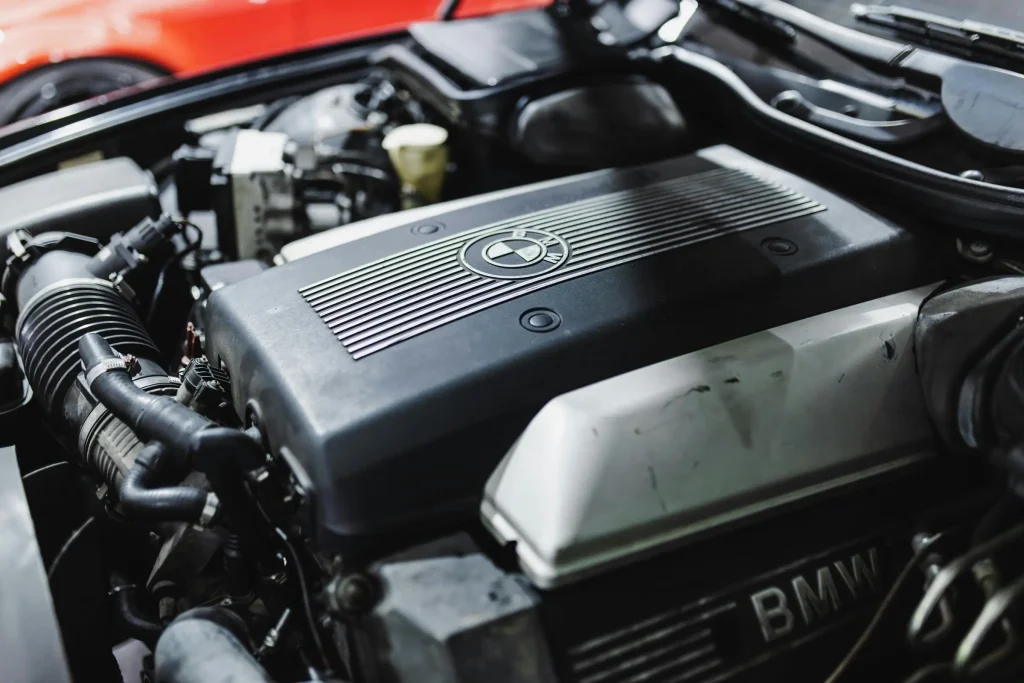
- Oil inside the intercooler pipes or around the turbo
- Limp mode with an underboost or overboost code stored
- Black smoke on a diesel, because there's not enough air for the fuel
Underboost and overboost compared
Both faults set the engine light, but they have different causes.
| Underboost | Overboost | |
|---|---|---|
| What the ECU sees | Less boost than it requested | More boost than it requested |
| Typical code | P0299 | P0234 |
| Common causes | Split boost hose, leaking intercooler, vanes stuck open, failing actuator, worn turbo | Vanes or wastegate stuck closed, failed actuator, faulty boost control solenoid or sensor |
| How it feels | Flat and slow to pick up | A surge of power, then a sudden cut to limp mode |
| Useful first check | A smoke test for boost leaks | Live boost data in a diagnostic |
Turbo actuator problems
Most modern diesels use a variable geometry turbo, where movable vanes change how hard the exhaust gas pushes the turbine. The actuator moves those vanes. Older designs use vacuum, while newer ones use an electronic motor with its own position sensor.
When soot builds up, the vanes stick and the actuator can't move them through their full range. An electronic actuator can also fail outright or lose its calibration, which typically sets a code and limp mode.
Oil leaks from the turbo
A light film of oil in the intercooler pipes is normal on many engines, because the crankcase breather vents oil mist into the intake. Pools of oil, wet joints at the turbo or heavy oil use are a different story.
Worn turbo seals are one cause. Another is pressure the seals can't hold back, such as a blocked DPF raising exhaust back pressure or a blocked breather raising crankcase pressure. Fitting a new turbo without fixing either usually means the new one leaks too.
What we can check for you
We don't replace turbos or actuators, but we can find out whether the turbo is really at fault before you pay for one.
Mobile diagnostics
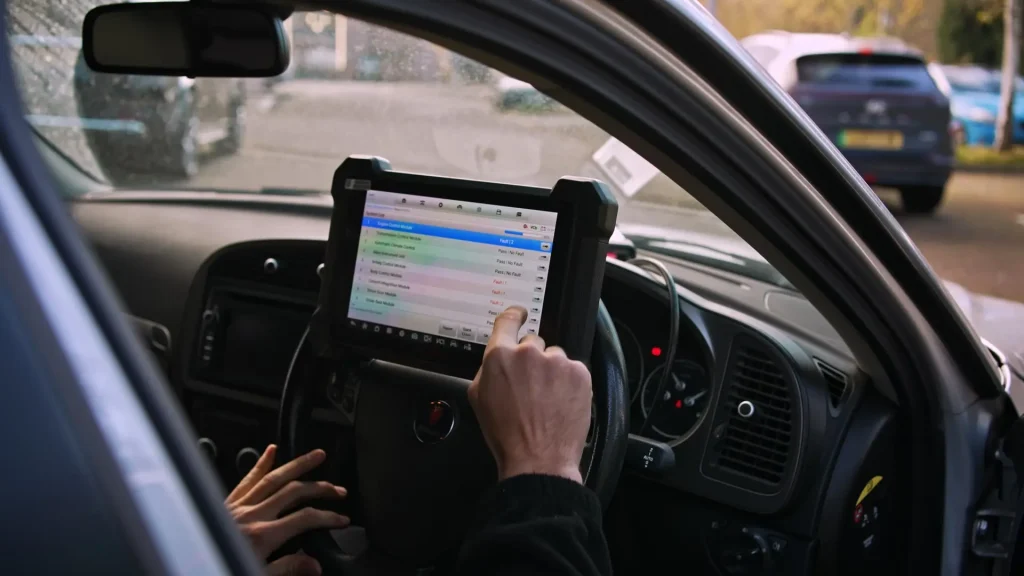
We compare actual boost with requested boost in the live data and check the actuator's response. £100 + VAT.
Smoke test
Fills the intake with visible vapour so a split hose or cracked intercooler shows itself. £120 + VAT.
DPF cleaning
A blocked filter raises back pressure, which strains the turbo and its seals. Cleaning it on site costs £275 + VAT.
What does a turbo actuator do?
It moves the turbo's vanes or wastegate to control boost pressure. If it sticks or fails, the engine gets too much or too little boost and the ECU cuts power.
What does turbo underboost mean?
The ECU asked for more boost pressure than the turbo delivered. A boost leak is the most common reason, followed by sticking vanes and actuator faults.
Is a whistling turbo a sign of failure?
A faint whistle is normal on many turbo engines. A louder whistle or hiss that's new often points to a boost leak, while a rising whine can mean worn bearings.
What causes turbo vanes to stick?
Soot from the exhaust bakes onto the vanes, especially on diesels used for short journeys. Higher revs on a longer run now and then help keep them moving.
Can a boost leak be mistaken for a failed turbo?
Yes, and it happens often. Both cause lost power and underboost codes, so it's worth ruling out a leak with a smoke test before buying a turbo.
Rule out the cheap fixes first
Before anyone quotes for a new turbo, let us check the boost system where your car or van is parked. A diagnostic or smoke test often finds a hose, clamp or sticking actuator behind the problem.
Questions about a turbo code? Email sales@sgrautomotive.co.uk
Eccles, Manchester M30 0SF