
AdBlue pump failure: signs, causes and what to do
AdBlue pump failure means the pump that pressurises the fluid and feeds the injector can no longer hold the pressure the ECU expects. Dosing stops, a warning comes on and, on most Euro 6 vehicles, a restart countdown follows. The code you'll see most often is P20E8, reductant pressure too low.

What the AdBlue pump does
The pump draws fluid from the tank and builds pressure in the line to the injector, which sprays it into the exhaust ahead of the SCR catalyst. When you switch off, many systems run the pump in reverse to clear the line so fluid can't freeze or crystallise in it.
On a lot of cars and vans the pump sits in a module on or inside the AdBlue tank, alongside the heater and level sensor. That layout matters when it comes to replacement.
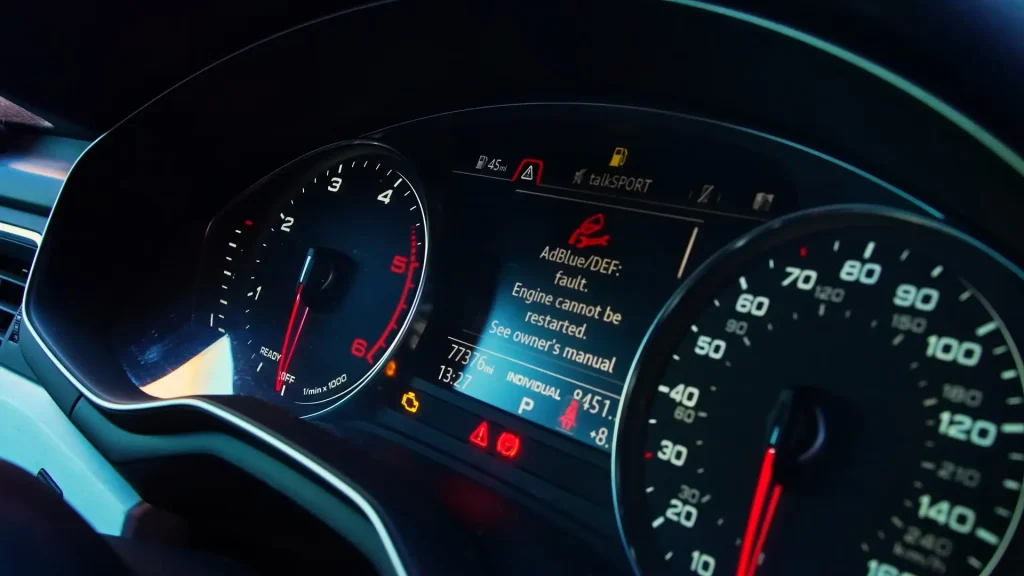
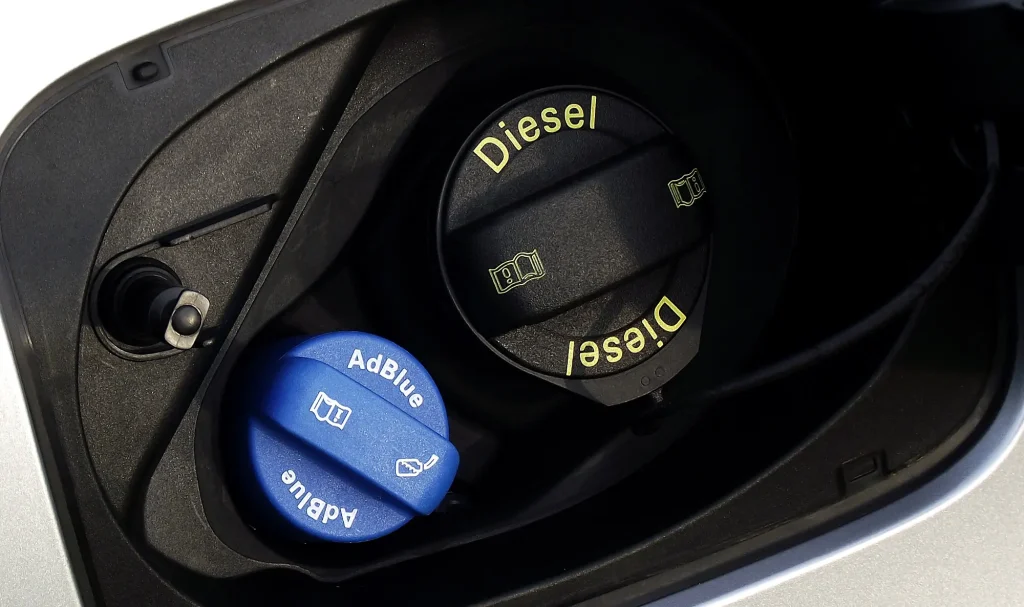
Signs of a failing AdBlue pump
- AdBlue warning light with a full tank
- A "check AdBlue system" or emission system fault message
- A no-start countdown that a top-up doesn't clear
- AdBlue use dropping off, as the fluid isn't being injected
- A pump that's silent, or buzzes for longer than usual, at switch-off
- Codes such as P20E8, P204F or P20EE
What causes AdBlue pump failure
Crystallised fluid
Urea crystals block the pump's filter, valves or lines, so it can't build pressure.
Freeze damage
If fluid is left in the pump or lines when it freezes, it can split seals and housings.
Contaminated fluid
Water, old fluid or diesel in the AdBlue tank damages the pump. Diesel in the AdBlue tank is the worst case and usually means a full system clean or new parts.
Electrical faults
A failed pump motor, a corroded connector or a broken wire gives the same symptoms as a worn-out pump.
Age and mileage
Like any pump, it wears, and high-mileage vans tend to see it first.
Contact Us Now
Get in TouchIs it the pump or something else?
Low pressure doesn't always mean a dead pump. A blocked line, a crystallised injector, a leak or a heater fault that leaves the fluid frozen can all set P20E8.
A diagnostic check reads the pump pressure in live data and runs a dosing test where the tool allows it. Our AdBlue heater and tank faults guide covers the faults most often confused with a failed pump.
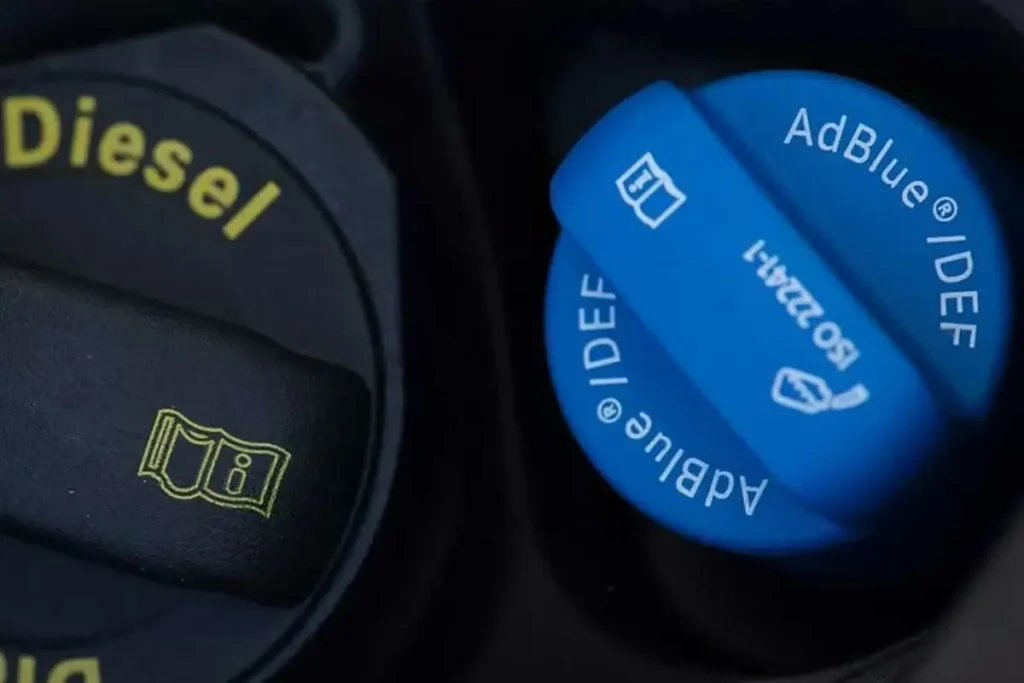
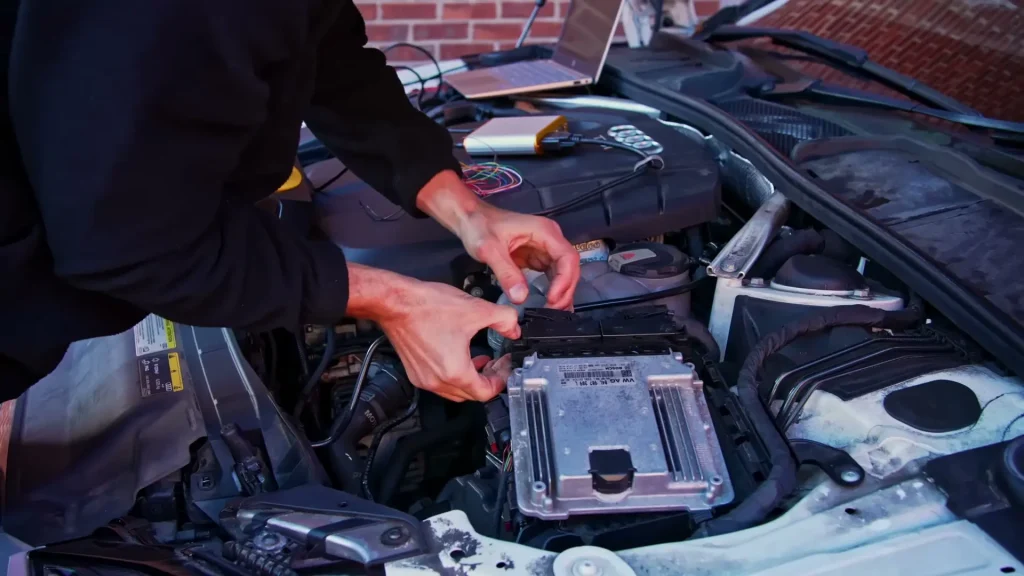
AdBlue pump replacement
Where the pump is a separate part, it can usually be replaced on its own. On many Peugeot and Citroen BlueHDi models it's built into the tank, so AdBlue pump replacement means fitting the whole tank assembly.
AdBlue pump replacement cost depends on that layout, the make and whether the part needs coding afterwards. Ask a dealer or SCR specialist for a written quote that includes labour, as SGR don't replace AdBlue pumps.
What to do if you think the pump has failed
Note the message and any countdown
The mileage tells you how long you have to get it sorted.
Stop topping up
If the tank is already full, more fluid won't help and an overfilled tank can leak.
Look under the vehicle
White crusty deposits around the tank, lines or exhaust point to a leak or crystals.
Get the pressure checked
Book a diagnostic check to confirm the pump is at fault before buying one.
Get a written quote
If it's the pump, ask whether it's sold on its own or only with the tank.
Switching the AdBlue system off
The AdBlue delete (£330 + VAT) switches the system off in the ECU. A failed pump then no longer sets warnings or a countdown, and there's no tank to fill.
Can I keep using my van with a failed AdBlue pump?
Until the countdown reaches zero, yes. After that the engine won't restart once switched off, so arrange a fix before then.
Can an AdBlue pump be repaired?
Some specialists rebuild pumps or replace the filter element, depending on the make. Many are only sold as a complete unit or as part of the tank.
What does P20E8 mean?
P20E8 means the AdBlue pressure is lower than the ECU expects. The pump is a common cause, but blocked lines and leaks set it too.
Does a failed AdBlue pump damage the engine?
No. The pump only serves the exhaust treatment system, so the engine itself isn't harmed, though the no-restart countdown still applies.
How do I know if my AdBlue pump has failed?
Live data shows whether the pump is building pressure. Codes alone can point to the pump without proving it, so a pressure check is the way to be sure.
Can a van with a failed AdBlue pump have the system deleted and stay on the road?
No. The AdBlue delete is sold for off-road and export use only, and our guide to whether AdBlue delete is legal explains why.
Have your AdBlue pump checked
We'll come out, read the pump pressure and codes, and tell you whether it really is the pump before you pay for one. If you'd rather switch the system off, ask us about the AdBlue delete.
Eccles, Manchester M30 0SF