
White smoke from exhaust and what it means
White smoke from exhaust pipes has three common sources, and only one of them is harmless. How thick it is, how long it lasts and what it smells like will tell you which you're dealing with.

The short answer
Thin white vapour on a cold morning that clears once the engine warms up is condensation, and it's nothing to worry about. Smoke that hangs around, smells of diesel or smells sweet points to a fault.
Persistent thick white smoke with a falling coolant level means the engine may be burning coolant. Stop using the car until it's checked, because running it can overheat the engine and turn a gasket or cooler fault into a much bigger repair.
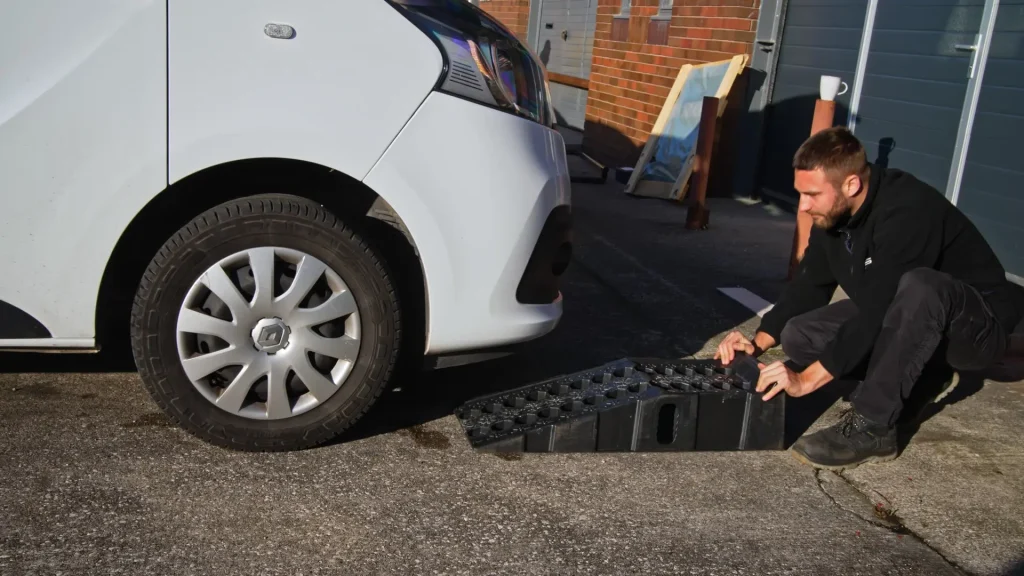
Three kinds of white smoke
| What you see | Smell | Likely cause | How serious |
|---|---|---|---|
| Thin vapour that clears within a few minutes | None | Condensation burning off in the exhaust | Normal |
| White or grey haze on a cold start, mainly diesels | Raw diesel, stings the eyes | Fuel that isn't burning properly | Get it checked soon |
| Thick clouds that don't clear when warm | Sweet | Coolant getting into the cylinders or exhaust | Stop and get it checked |
If the smoke has a blue tint and smells of oil, see our blue smoke guide instead.
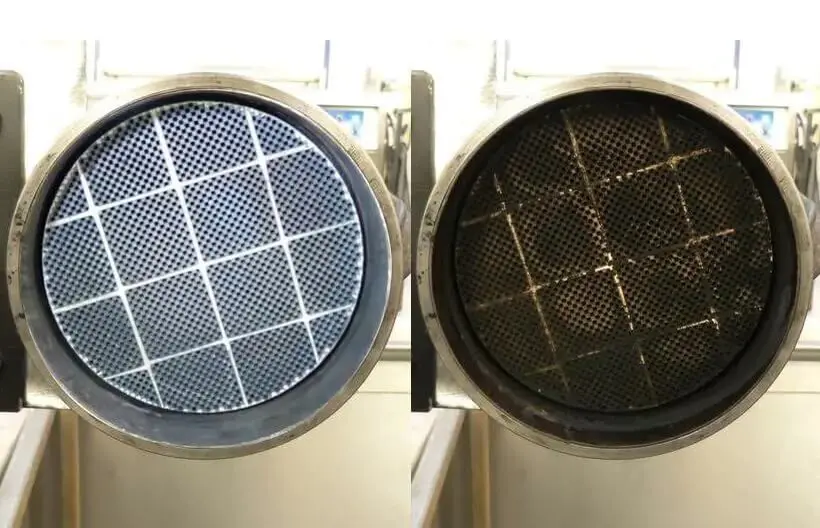
Diesel white smoke from the exhaust
On a diesel, white smoke that smells of fuel means diesel is reaching the exhaust without burning. The cylinders aren't getting hot enough, or the fuel isn't arriving at the right time or in the right amount.
- Failed glow plugs, which leave cold cylinders struggling to fire. A P0380 code often goes with this.
- Leaking or sticking injectors that dribble fuel instead of spraying it
- Low compression from worn rings or valves
- Incorrect injection timing, sometimes after work on the timing belt or chain
- Very cold weather, which can cause a short burst of white smoke even on a healthy diesel
White smoke from the exhaust when accelerating
Smoke that only appears when you accelerate hard is often coolant being drawn in under load, or fuel that the engine can't burn quickly enough. A cracked head or leaking head gasket tends to get worse as cylinder pressure rises.
A leaking EGR cooler is another common cause on diesels, because coolant passes into the hot exhaust gas being fed back into the intake. Our EGR cooler failure guide explains the signs, and P2457 is a code to watch for.
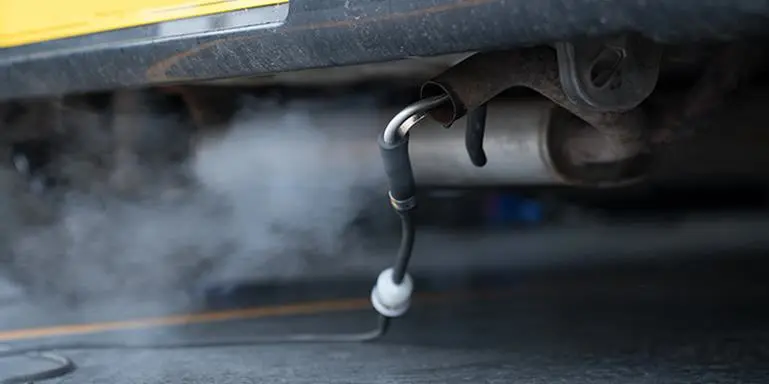
Checks you can do yourself
Watch the smoke from cold to warm
If it disappears once the engine reaches temperature, it was condensation.
Check the coolant level with the engine cold
Never open the cap on a hot engine. A level that keeps dropping with no visible leak is a warning sign.
Smell it carefully from a distance
Sweet means coolant, sharp and fuel-like means unburnt diesel.
Look at the oil filler cap
A creamy, mayonnaise-like residue can mean coolant mixing with oil, although short trips can cause a little of this too.
Note any warning lights
A glow plug, engine management or temperature warning narrows the cause down.
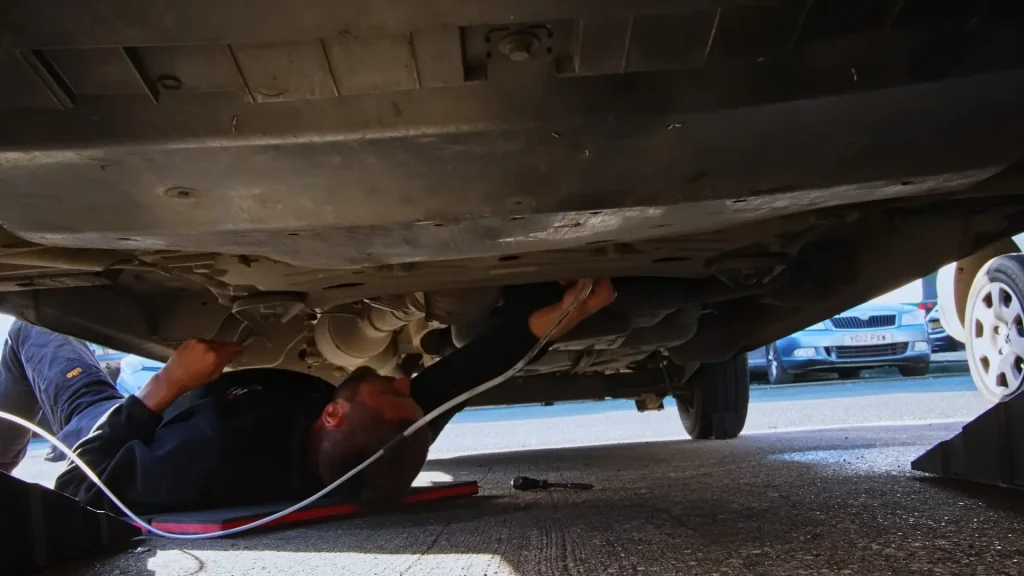
Car blowing white smoke but not overheating
A car can burn small amounts of coolant for a while before the temperature gauge moves, so a normal gauge doesn't rule out a gasket or cooler leak. Keep an eye on the coolant level and don't rely on the gauge alone.
If the coolant level is steady and the smoke smells of diesel, the cause is more likely to be fuelling or glow plugs.
Is white smoke on start-up that then goes away normal?
Usually, yes. Water vapour forms in a cold exhaust and burns off as it warms, especially in damp or cold weather. It should be thin and clear within a few minutes.
Is it safe to keep using a car that's blowing white smoke?
Not if the smoke is thick, smells sweet or the coolant level is falling. Light smoke that smells of diesel is less urgent but still needs checking soon.
Does white smoke always mean a head gasket?
No. Glow plugs, injectors and EGR cooler leaks cause white smoke too, and they're often cheaper to fix. A diagnostic and a coolant check help narrow it down.
Why does my diesel blow white smoke in the morning?
Cold cylinders burn diesel less completely, so a short puff is common in winter. If it lasts more than a minute or two, check the glow plugs and injectors.
Get the smoke checked where the car is parked
We'll read the codes, check the glow plug and fuelling data and help you work out whether the smoke is fuel or coolant. A mobile diagnostic costs £100 + VAT, and you'll know what you're facing before booking any repair.
Not sure of the colour? Our smoke from exhaust colour guide can help.
Eccles, Manchester M30 0SF