
DPF regeneration and forced regens explained
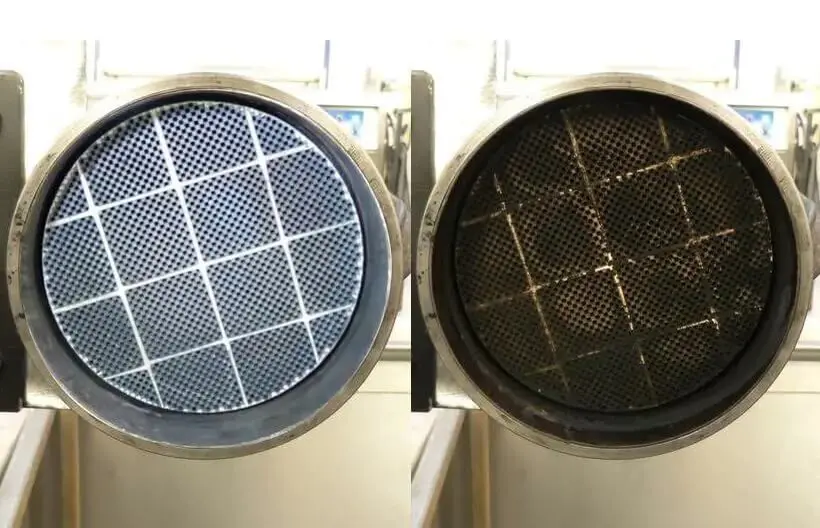
DPF regeneration is how a diesel burns off the soot trapped in its particulate filter, turning it into gas and a small amount of ash. It normally happens by itself on a decent run. When it can't, a forced regeneration started through diagnostic software does the same job with the vehicle parked.

The three types of regeneration
Passive regeneration
On a motorway or fast A-road the exhaust runs hot enough to burn soot steadily without the ECU doing anything special. Cars that do plenty of long runs rarely have DPF trouble for this reason.
Active regeneration
Once the ECU calculates that the filter is loaded to a set level, it injects extra fuel late in the combustion cycle to push the exhaust temperature up. This needs several minutes of uninterrupted running to finish.
Forced regeneration
A technician starts the burn with diagnostic software while the vehicle stands still, with the engine held at raised revs. It's used when active regenerations keep failing or have been blocked by the ECU.
Signs an active regeneration is running
You won't get a message telling you, but most diesels give a few clues.
- The idle speed sits higher than normal
- The cooling fan carries on running after you switch off
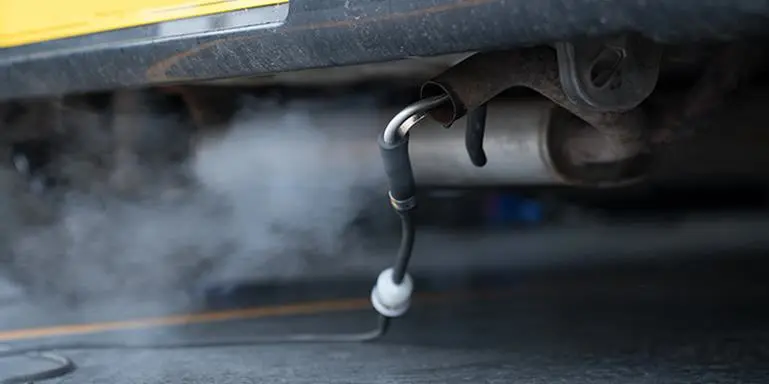
- A hot, acrid smell from the exhaust
- Stop-start stops working for a while
- The trip computer shows fuel use creeping up
- Some cars switch on the heated rear screen to load the engine slightly
Why regenerations fail
Short trips are the usual culprit. A regeneration that starts on a 10-minute school run gets cut off when the engine is switched off, and the soot that should have burnt stays put. Repeat that every day and the filter fills up.
Faults play a part too. A misreading pressure sensor, a sticking EGR valve or a thermostat stuck open can stop a regeneration starting or make the filter load up faster than it can clear.
How a forced regeneration is carried out
At SGR we use a cleaning solution before the forced regeneration, which softens hardened soot so more of it burns out. That's included in our £275 + VAT DPF cleaning price.
Readings first
Fault codes, soot load and differential pressure are read so the technician knows the filter is safe to regenerate.
Conditions checked
The engine needs to be at operating temperature, with enough fuel in the tank and no other faults that would block the routine.
The routine runs
The software raises the revs and exhaust temperature and holds them while the soot burns off. The time this takes varies from one vehicle to another.
Results confirmed
Soot and pressure readings are checked again and stored codes are cleared.
When a forced regen isn't safe
If the soot load is very high, many ECUs won't allow a forced regeneration at all. Burning that much soot in one go can overheat the ceramic and crack it, which turns a cleaning job into a new filter.
A forced regen also does nothing for ash, which builds up over the filter's life and can't be burnt away. A filter reporting an ash restriction (P242F) needs a different approach, which our blocked DPF guide covers.
How often should a DPF regenerate?
It depends on the engine and how the vehicle is used. A car on regular long runs may regenerate passively most of the time, while one used for short trips will need active regenerations far more often.
How long does a DPF regeneration take?
An active regeneration usually needs somewhere around 10 to 20 minutes of steady running to finish, though it varies between models. A forced regeneration can take longer because the soot load is normally higher by the time one is needed.
How much does a forced DPF regeneration cost?
At SGR, a forced regeneration is carried out as part of our £275 + VAT DPF clean, along with the cleaning solution and a check of the readings.
Can I do a forced regeneration myself?
Some home scan tools have a regeneration function, but running one on a heavily loaded filter risks cracking it. Without the soot and pressure readings, you won't know whether it's safe to try.
What does the regen warning light mean?
On vehicles that have one, it shows that a regeneration is running or is needed. Keep the engine running at a steady speed until it goes out. The DPF warning light guide covers what each light means.
Book a clean and forced regen
If your diesel keeps failing to regenerate, we'll come to your home or workplace, check the readings and carry out the clean and forced regeneration there and then. It costs £275 + VAT and most vehicles are done within 60 to 90 minutes.
Questions first? Email sales@sgrautomotive.co.uk
Eccles, Manchester M30 0SF